
Bangkok doesn’t whisper flavor. It shouts it.
From smoky street corners in Yaowarat (Chinatown) to white-tablecloth tasting menus 60 floors up, Bangkok is one of the most dynamic food cities on the planet. And that’s not hype. The data backs it up.
Let’s break down why it’s one of the best food cities in the world.
1. The Awards Don’t Lie
Bangkok consistently ranks at or near the top of global food city lists:
- In 2023, Time Out ranked Bangkok #1 Best City in the World — with food cited as a primary reason.
- CNN Travel has repeatedly listed Thai cuisine among the world’s best and Bangkok as a top street food capital.
- The Michelin Guide expanded into Bangkok in 2018, immediately awarding stars across street vendors and luxury restaurants — something almost no other city does at that level of crossover.
Since Michelin’s arrival:
- Bangkok now has 30+ Michelin-starred restaurants (depending on the year’s guide).
- It has awarded stars not only to fine dining temples, but also to street food legends like Jay Fai — famous for her crab omelet and charcoal-wok theatrics.
Let that sink in. A street food stall. Michelin star. That’s Bangkok.
2. Street Food Is the Soul
If you want to understand Bangkok, you don’t start in a hotel lobby. You start on the sidewalk.
Walk through:
You’ll find:
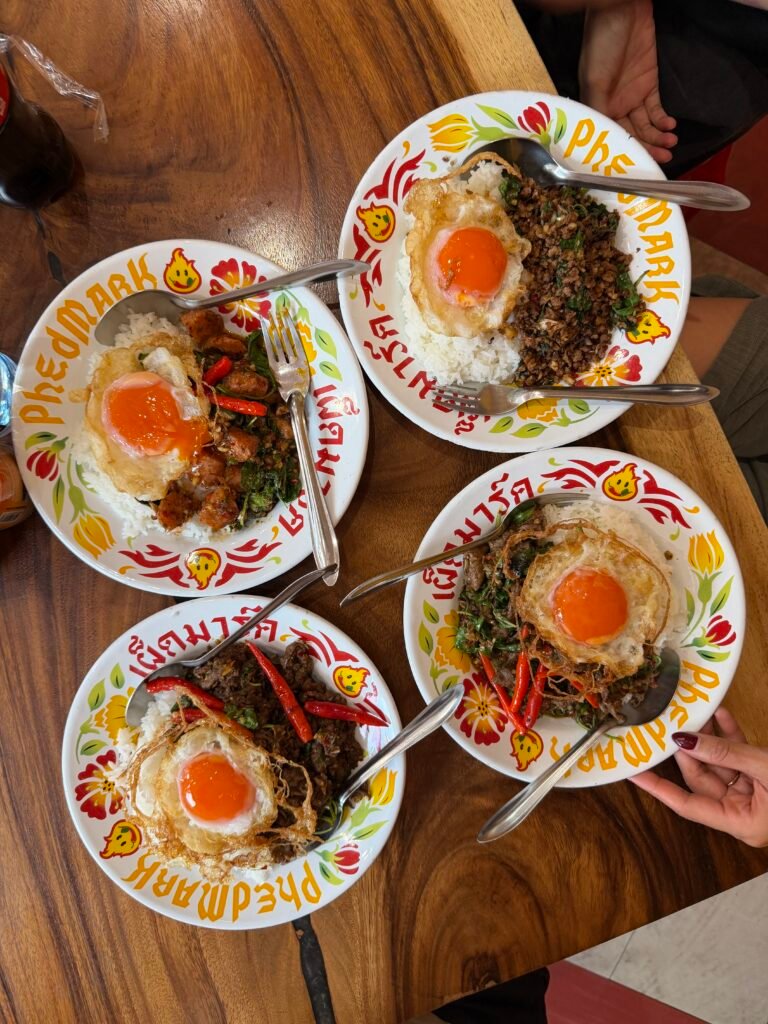
- Pad Kra Pao sizzling in woks over roaring flame
- Skewers of Moo Ping dripping fat onto charcoal
- Boat noodles with broth simmered for hours
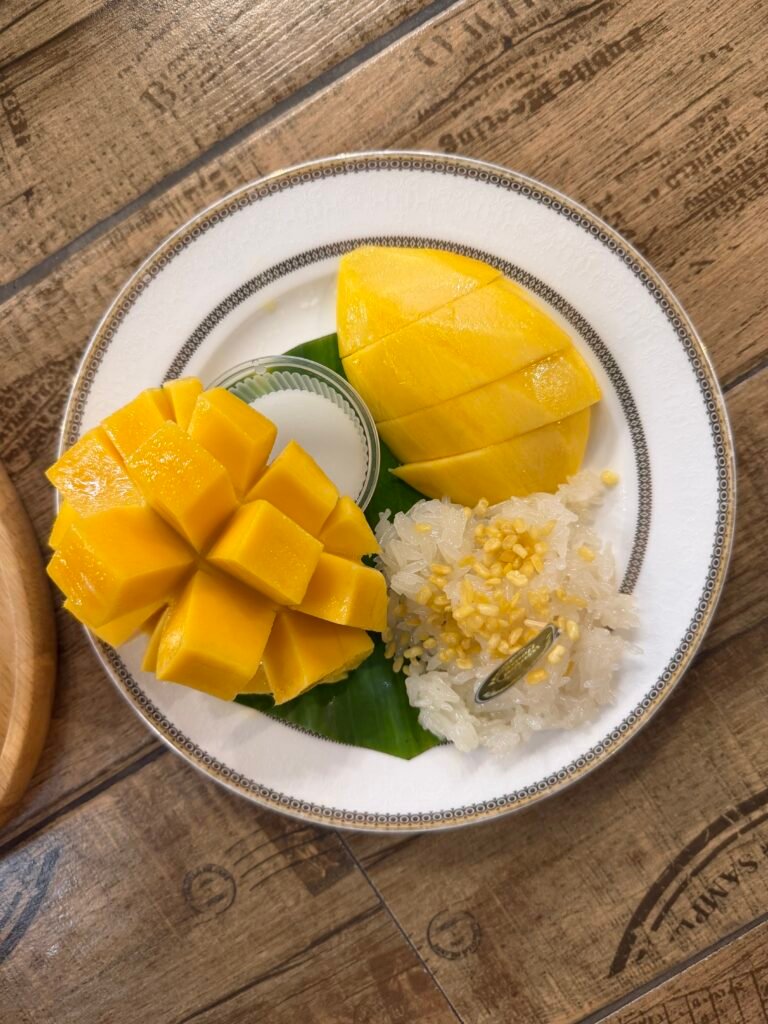
- Fresh mango sticky rice cut to order
- Fried chicken shattering with every bite
Thailand has hundreds of thousands of street food vendors nationwide, with a massive concentration in Bangkok. Street food isn’t a trend. It’s infrastructure. It’s a way of life. It feeds the city daily.
And the quality? Relentless. Competitive. Personal.
Most vendors specialize in one or two dishes perfected over decades. Recipes passed down—techniques refined. No fluff. No filler.
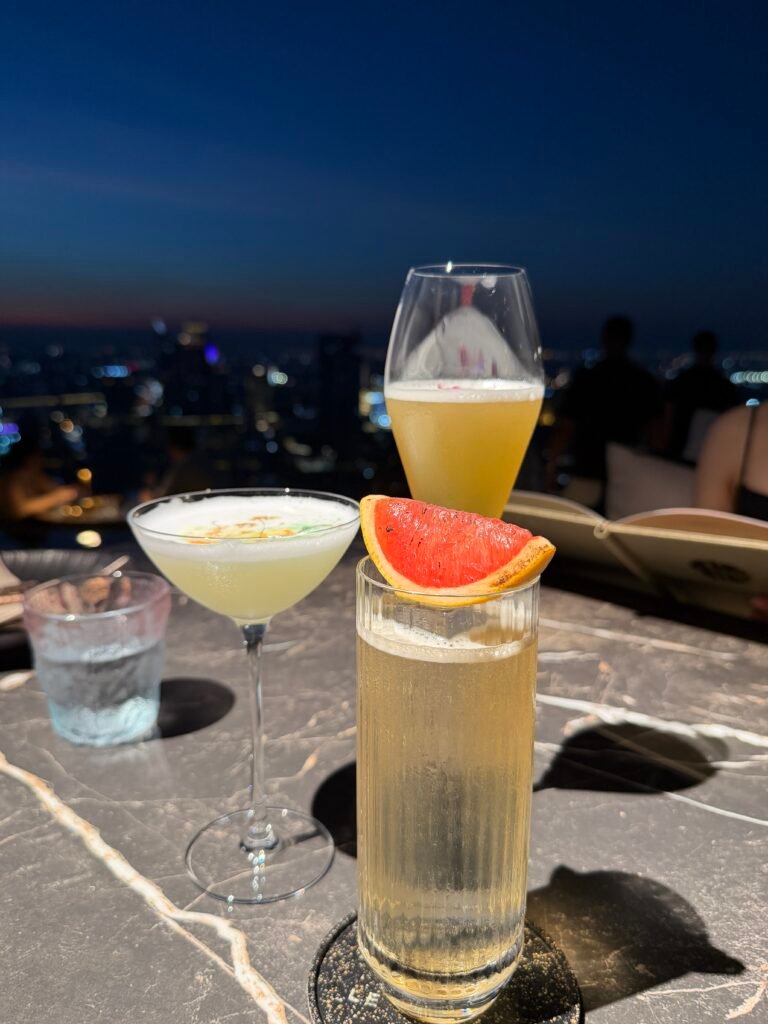
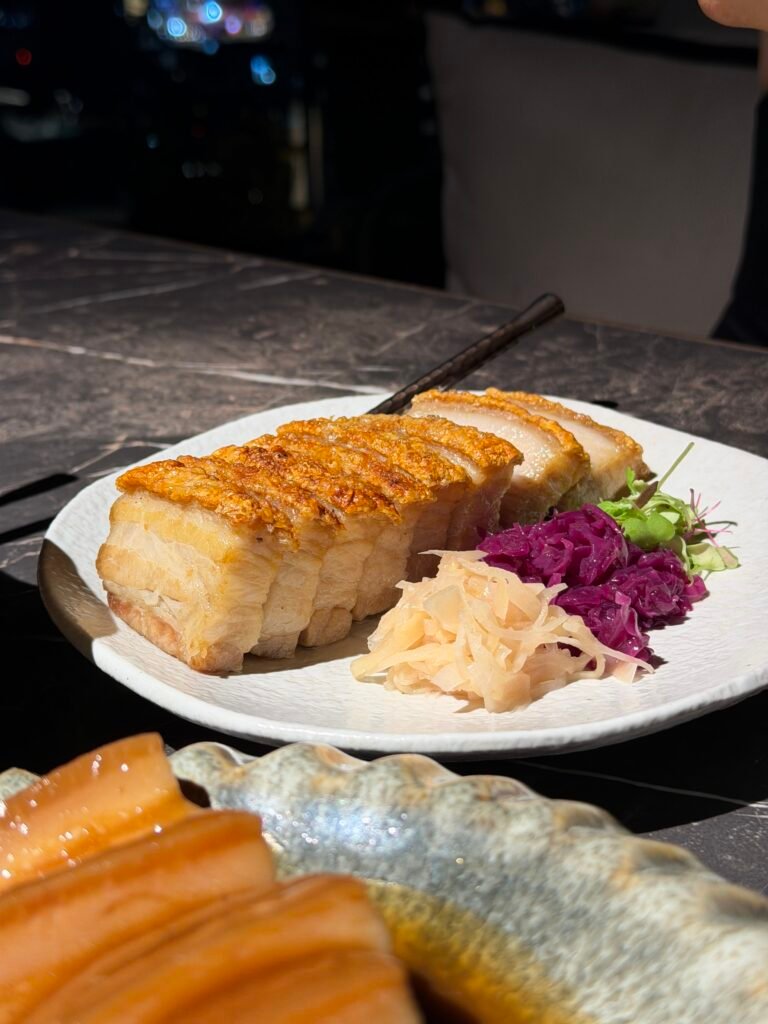
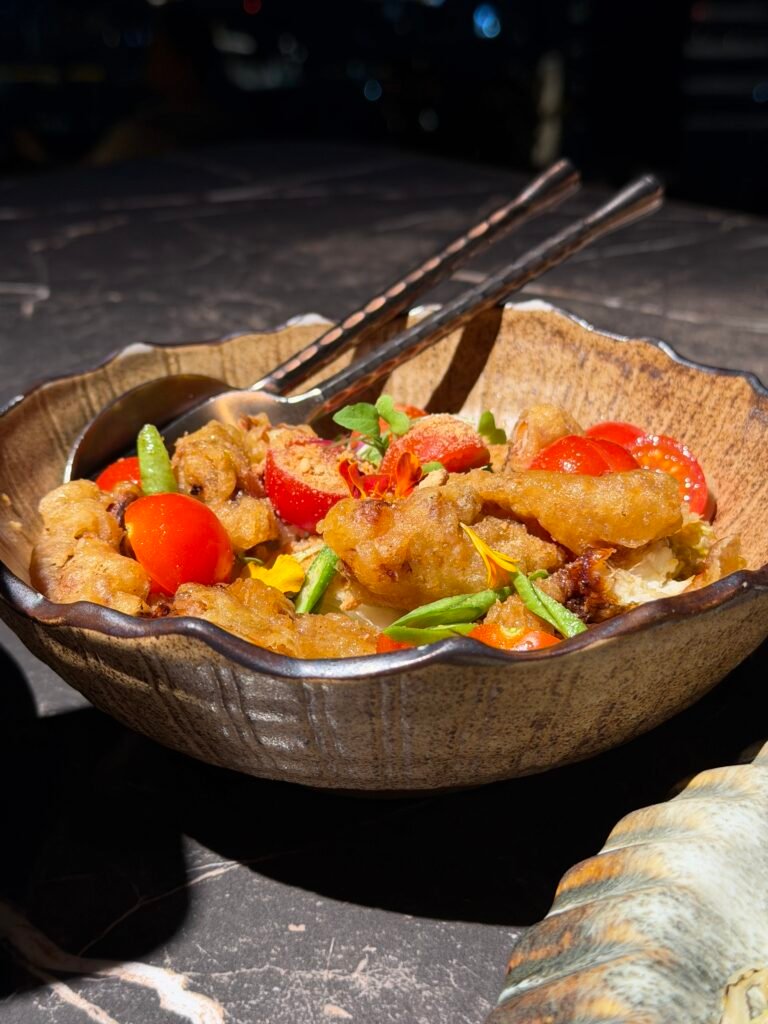
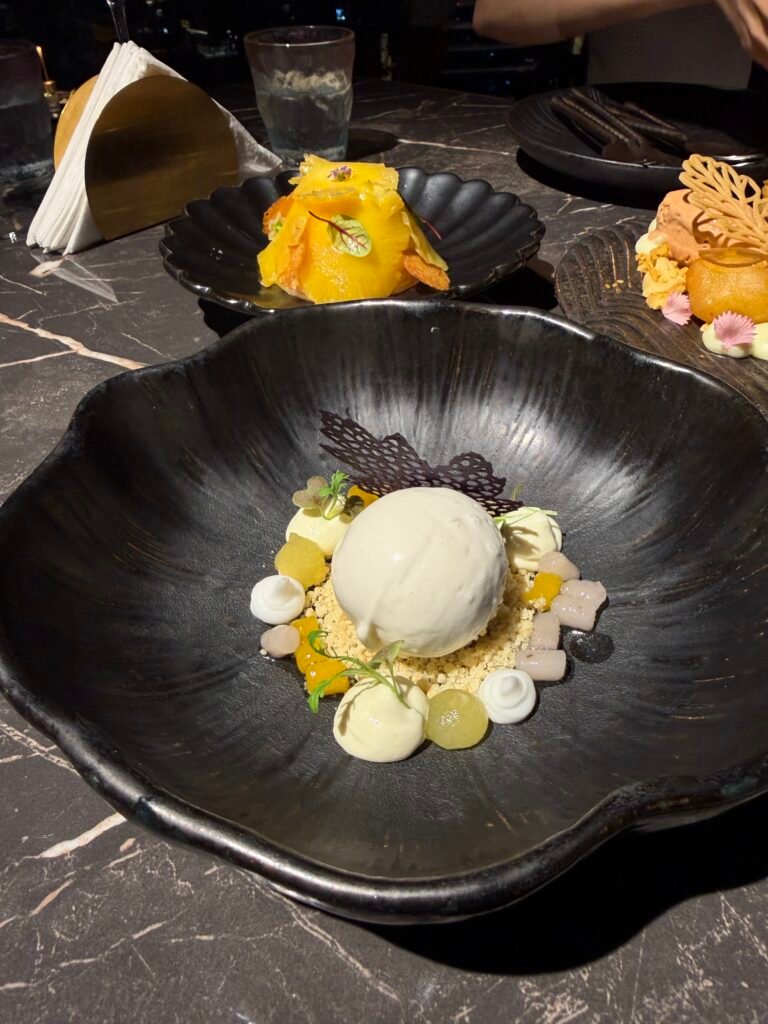
3. Fine Dining That Competes With the World
Now flip the script.
Bangkok isn’t just plastic stools and neon lights.
Restaurants like:
have landed on Asia’s 50 Best Restaurants and The World’s 50 Best Restaurants lists.
What makes Bangkok different is this:
Fine dining chefs in Bangkok aren’t abandoning Thai flavors.
They’re elevating them.
Southern Thai curry gets plated like art. Fermented fish sauce becomes a precision ingredient. Local herbs you’ve never heard of become the star of a tasting menu.
Bangkok chefs aren’t trying to be Paris or Tokyo.
They’re trying to be Bangkok — just sharper.
4. The Diversity Is Wild
Bangkok is a cultural and culinary crossroads.
Historically influenced by:
- Chinese migration
- Indian trade routes
- Malay and Muslim southern cuisine
- Portuguese techniques (yes, that’s why some Thai desserts use egg yolks the way they do)
Add modern global influence:
- Japanese ramen joints packed nightly
- Korean BBQ on every other block
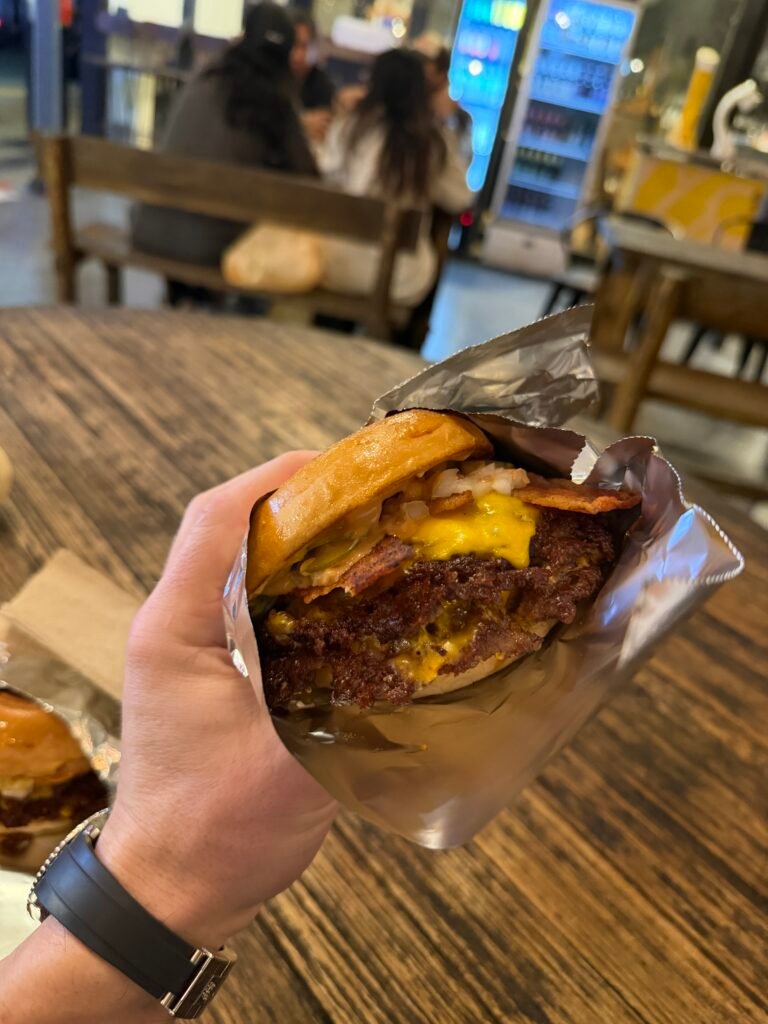
- Smash burgers taking over Thonglor
- Specialty coffee culture exploding
Bangkok’s food scene is not frozen in time. It evolves fast.
You can eat:
- $2 noodles for lunch
- A $200 tasting menu for dinner
- Late-night fusion tacos at 1am
All within a few city blocks.
5. It’s Built on Flavor, Not Aesthetic
Some cities are built for Instagram.
Bangkok is built for flavor.
Thai cuisine revolves around balance:
- Sweet
- Salty
- Sour
- Spicy
- Bitter
But in Bangkok, that balance often leans bold.
The food hits hard. Acid pops. Chili burns. Herbs are loud. Fish sauce isn’t shy.
This isn’t watered down. It’s alive.
6. It Feeds Everyone
Bangkok works because it’s accessible.
You don’t need a reservation six months in advance to eat well.
You don’t need a black card.
You need curiosity. And maybe a tolerance for spice.
The cab driver and the CEO might eat at the same stall. The backpacker and the banker might order the same bowl of noodles.
Food in Bangkok isn’t exclusive.
So… Is Bangkok the Best Food City in the World?
That’s subjective. (We say asbolutely 100% YES.)
When you combine:
- Global awards and rankings
- Michelin stars across street and luxury
- Deep culinary history
- Constant innovation
- Affordability and accessibility
- Cultural diversity
It’s hard to argue against it.
Bangkok isn’t just a great food city.
It’s a city that lives through food.
And once you’ve eaten there — really eaten there — you understand.
You don’t just visit Bangkok.
You taste it.
It’s not about copying dishes.
It’s about channeling that fearless flavor energy.
That’s what makes Bangkok legendary.
That’s what makes Bangkok one of the best food cities in the world.